
All Articles / Rethinking Wellness
Alzheimer’s or Aging? 10 Signs You Need to Know
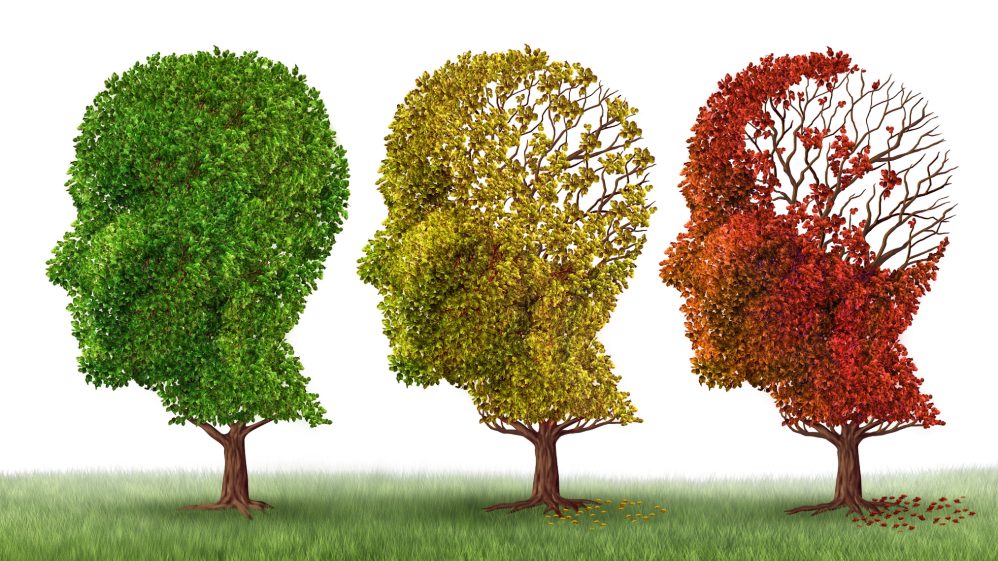
How do you know if your forgetfulness is an early sign of Alzheimer’s disease or normal aging?
The first thing we should do is make sure we understand what Alzheimer’s is and what that means to us.
Alzheimer’s disease is a brain disorder that causes a gradual decline in memory, thinking and reasoning. It is the most common cause of dementia. In the later stages, people may have difficulty communicating, walking and swallowing and need extensive care.
According to the Alzheimer Society of Canada, an estimated 771,939 people in Canada were living with dementia as of January 1, 2025. While Alzheimer’s disease has no cure, healthy lifestyle habits may help reduce the risk of dementia, although they cannot guarantee prevention. We explore this further in Can Alzheimer’s Be Prevented?
Now, just because you occasionally forget a name, have trouble remembering the right word or walk into another room and forget what you were looking for doesn’t mean you have Alzheimer’s disease. Some of these experiences can be a natural part of aging. Sometimes it means that you were distracted with other thoughts.
Memory changes can also have other causes, including medicines, depression and other health conditions.
If you are concerned about yourself or someone you know, here are some signs to look out for—particularly when they are persistent, unusual for the person or affect everyday life. These signs can occur with Alzheimer’s or other forms of dementia; they do not establish a diagnosis on their own.
10 Warning Signs
The following examples reflect the Alzheimer Society of Canada’s warning signs of dementia.
- Memory Loss: Forgetting an appointment, name or phone number occasionally, then remembering it later, is common. Frequently forgetting things or struggling to retain new information can be a warning sign.
- Communication Problems: Having trouble finding the right word is not unusual. Someone living with dementia may repeatedly forget simple words or replace them with words or descriptions that make them difficult to understand. A camera might become “that box that makes pictures.”
- Problems with Everyday Tasks: Having difficulty doing something you’ve done your whole life, like preparing a meal or getting dressed.
- Misplacing Things: Putting things in unusual places, such as clothes in the dishwasher, rather than occasionally forgetting where you left your keys.
- Disorientation: Getting lost on your own street or in another familiar place, not knowing where you are or how to get home.
- Impaired Judgement: Changes in judgement that put your wellbeing at risk, such as wearing a warm jacket on a hot day or making unusual financial decisions.
- Trouble with Complex Tasks: Increasing difficulty with tasks that require abstract thinking, like balancing a chequebook, or trouble understanding numbers and how they are used.
- Changes in Mood, Personality and Behaviour: Marked changes from your usual behaviour, such as becoming unusually angry, fearful or suspicious, or feeling threatened without an obvious reason.
- Loss of Initiative: Yes, we all get tired of doing housework, but someone living with dementia may become very passive, losing interest in friends, family and favourite activities.
- Difficulty Understanding Visual and Spatial Information: Problems judging distances, finding your way around or placing objects accurately. These changes can also have causes other than dementia.
Occasional forgetfulness does not automatically mean Alzheimer’s. If you are concerned about persistent changes in memory, thinking or everyday abilities, your family doctor can begin an assessment and arrange specialist input when appropriate.
For more on supporting wellbeing as you grow older, read Nutrition and Healthy Aging: Can What You Eat Help You Age Well?