
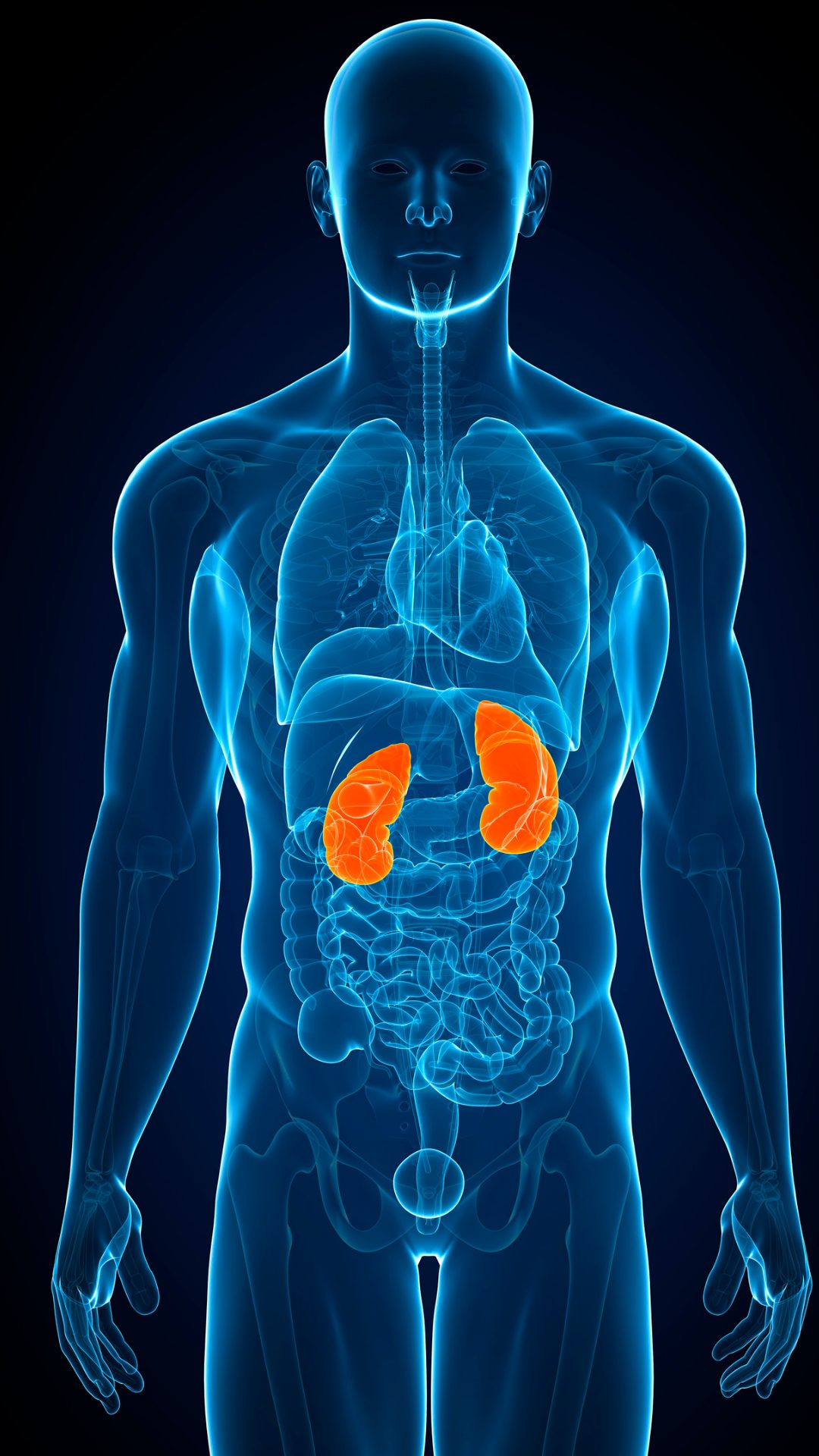
Kidney Health
Your kidneys have a very important function in your body. They filter waste products and excess water from your blood, while returning needed substances and most of the filtered water to the bloodstream. The remaining fluid becomes urine and passes into the bladder. Kidneys also help balance salts and minerals, maintain the acid–base balance of your blood and produce hormones involved in regulating blood pressure.
Kidney damage can result from certain medicines, toxic exposures or disease. The cause and the degree of kidney function matter when considering dietary or herbal support.
Understanding Urinary Symptoms
Urinary urgency, cloudy or bloody urine, fluid retention, abdominal or back pain, nausea and vomiting can have different causes. These symptoms alone do not tell us whether someone has reduced kidney function, a stone or an infection.
Fever or chills with back or side pain and urinary symptoms can indicate a kidney infection and need prompt medical assessment.
Food, Caffeine and Kidney Stones
Caffeine can temporarily raise blood pressure and can also affect how the kidneys handle sodium and water. Your response to caffeine is worth considering, particularly if you are managing high blood pressure. These effects do not, by themselves, establish kidney damage or mean that all caffeinated or decaffeinated foods irritate the kidneys. Research has examined both the renal and cardiovascular effects of caffeine.
For someone with diagnosed kidney disease, protein, mineral and fluid needs depend on kidney function and treatment. The same dietary restrictions are not appropriate for everyone.
For those who are prone to kidney stones, dietary recommendations depend on the type of stone. Some people who form calcium oxalate stones may benefit from adjusting their intake of high-oxalate foods, while moderating animal protein may help reduce the risk of certain types of stones. An individualized approach is important.
Cranberries and D-Mannose
Cranberries and D-mannose are commonly discussed as natural options for urinary tract support. Research on their role in recurrent urinary infections has produced differing results, and neither guarantees prevention. Whether either is appropriate depends on your individual circumstances.
Nutrients and Individual Needs
Good nutrition begins with the overall eating pattern. Our article on Nutrition and Healthy Aging explores a food-first approach, with supplements considered according to individual needs.
Vitamin B6 plays a role in protein metabolism, but a high-protein diet alone does not establish a need for a B6 supplement. B6 intake and individual nutritional needs should be considered together.
Vitamin and mineral supplements may have a role when a specific need has been identified. Kidney disease can change how the body handles certain nutrients, and high-dose vitamin C supplements can increase urinary oxalate, which matters for people prone to calcium oxalate stones.
Some probiotic preparations have been studied for recurrent urinary infections. Findings vary with the strains and preparations used, so the results cannot be applied to every acidophilus product.
What About Celery, Parsley and Cherry Juice?
These foods can be enjoyed as part of an eating pattern suited to your needs. Research into uric acid has explored particular preparations: a small trial of celery-seed supplementation in people with metabolic syndrome reported a reduction in blood uric acid, while tart-cherry research has produced mixed results. These findings do not establish that ordinary servings of celery, parsley or any cherry juice will lower uric acid or treat kidney disease.
Choosing Herbal Support Thoughtfully
Buchu, uva-ursi, corn silk, juniper berries, dandelion root and nettles are among the herbs discussed in traditional urinary wellness. They have different uses and considerations, so choosing an herb begins with understanding the person and the concern.
For example, uva-ursi has recognized traditional use for certain mild lower urinary symptoms in adult women, but that is different from supporting someone with kidney disease; the same guidance advises against its use in people with kidney disorders.
A natural wellness practitioner can help you explore nutrition and herbal support in the context of your health history, current concerns and personal goals. This is why I value an individualized approach. You can learn more about my approach through our natural wellness services.
Whether you have a specific concern or are being proactive, recommendations should be suited to you.