
Lyme Disease: What You Should Know About Tick Bites
Lyme disease is a bacterial infection that can spread through the bite of an infected blacklegged tick or western blacklegged tick. In Ontario, the blacklegged tick is also commonly called a deer tick.
The bacterium most commonly associated with Lyme disease in Canada is Borrelia burgdorferi. Not every tick carries it. Understanding exposure, prevention and what to do after a bite can help you enjoy the outdoors more confidently.
One of the challenges with Lyme disease is that a tick bite can be surprisingly easy to miss.
Ticks are tiny, their bites are usually painless, and the nymph stage can be as small as a poppy seed. You may never see the tick that bit you.
That is why knowing how to prevent tick bites—and what to do if you find a tick attached to you—is so important.
Where are you most likely to encounter ticks?
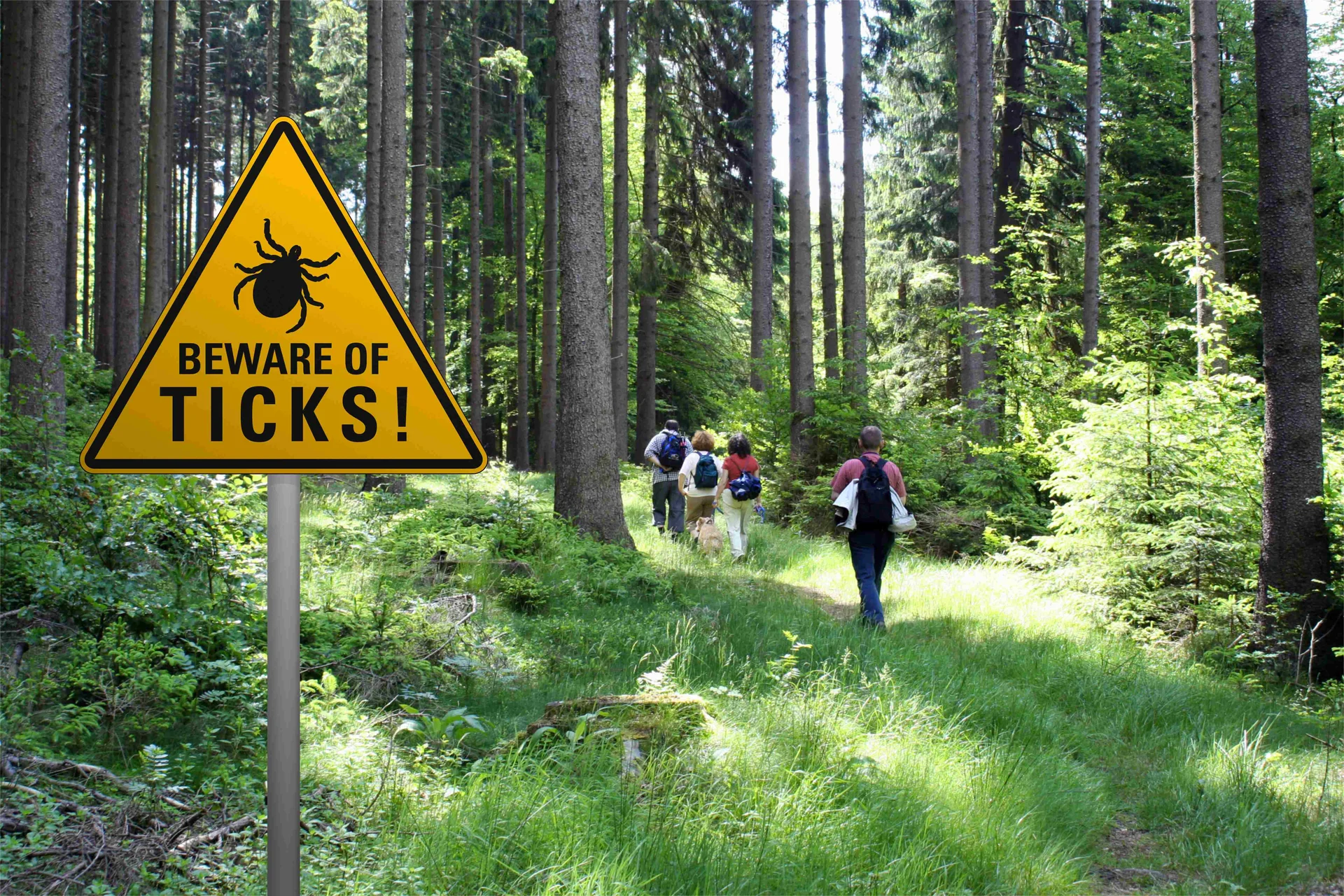
Ticks are commonly found in wooded, brushy and grassy areas. You don't have to be camping deep in the wilderness to encounter one.
Gardening, hiking, walking through tall grass, spending time at the cottage, or simply enjoying the outdoors can put you in areas where ticks may be present.
And here in Ontario, this is something worth paying attention to.
Tick encounters are not limited to summer. Ticks can be active on milder days, including outside the usual hiking and gardening seasons. Check current public health guidance on preventing tick bites when planning outdoor activities.
Why you may not know you've been bitten
A tick does not announce itself.
You may not feel it attaching to your skin, and because some ticks are incredibly small, you may not notice it even after it has attached.
Ticks commonly attach in places that can be difficult to see, including the scalp, behind the ears, armpits, groin and other areas where the skin is warm and protected.
After outdoor activities, check yourself, your children and your pets for ticks. Look over your clothing before going inside and complete a full body check afterward.
And yes, this is one of those times when having someone check the places you can't easily see yourself is a very good idea.
What should you do if you find a tick?
Don't panic.
The most important thing is to remove the tick as soon as possible.
Use clean, fine-point tweezers to grasp the tick close to the skin and pull slowly and steadily straight out. Avoid twisting or squeezing its body. Follow Canada’s tick-removal instructions; if mouthparts remain and cannot be removed easily, leave them alone and let the skin heal.
Once it has been removed, clean the bite area with soap and water or an alcohol-based sanitizer.
And here's an important point: don't try to make the tick detach by covering it with essential oils, petroleum jelly, nail polish or other substances. These methods can cause the tick to release stomach contents into the bite area and may increase the risk of infection.
If you cannot remove the tick or have concerns, contact a healthcare professional. Ask promptly whether preventive antibiotics are appropriate for the bite. Ontario guidance includes a limited window: where indicated, prophylaxis is started within 72 hours of removal. Read Ontario’s tick-bite guidance. Not every bite requires antibiotics.
Record the date and likely location of exposure, and take a photograph of the tick. eTick can help identify the species. Identification does not diagnose an infection in the person who was bitten, and you should not wait for identification before seeking advice.
What about the 24-hour rule?
You may have heard that a tick needs to be attached for 24 hours before it can transmit Lyme disease.
It is better to think of prompt removal as a way to reduce risk, rather than treating a time estimate as a guarantee.
Canadian public health guidance says that, in most cases, an infected tick needs to remain attached for at least 24 hours to transmit Lyme bacteria. Attachment time can be difficult to estimate, and other tick-borne infections do not necessarily follow the same timing.
The takeaway is simple:
Don't wait. If you find a tick, remove it as soon as possible.
What are the symptoms of Lyme disease?
Symptoms can vary from person to person and may develop at different stages of infection.
Early symptoms may include:
- Fever or chills
- Headache
- Fatigue
- Muscle or joint aches
- Swollen lymph nodes
- A skin rash
An expanding rash called erythema migrans is a common sign, but it does not always look like a bull’s-eye, and some people do not develop a rash. See Canada’s guide to symptoms, diagnosis and treatment for examples and next steps.
Later symptoms can involve other parts of the body, including the joints, nervous system and heart.
This is why a possible tick exposure should not be dismissed simply because you don't remember seeing a tick or because you don't have a classic rash.
If you have spent time in an area where ticks may be present and subsequently develop symptoms that concern you, speak with a qualified healthcare professional.
What about testing?
Lyme disease can be complicated to assess because symptoms can overlap with other conditions.
Healthcare providers consider several pieces of information, including your symptoms, your likelihood of exposure to infected ticks, where you have been, and laboratory testing when appropriate.
Blood tests detect antibodies produced by the immune system. Because it takes time for antibodies to develop, testing very early after an infection can sometimes produce a negative result even when infection is present.
If Lyme disease is suspected, seek medical assessment. Antibiotics are the standard treatment, and early treatment can help prevent complications. A clinician may diagnose an early characteristic rash without waiting for a blood test.
What about co-infections?
Blacklegged ticks can carry and transmit more than one disease-causing organism.
For example, Lyme disease can occur alongside other tick-borne infections such as anaplasmosis, babesiosis or Powassan virus disease. The likelihood of co-infection varies depending on the geographic area and other factors.
This is another reason why a history of tick exposure can be important when discussing unexplained symptoms with your healthcare provider.
Prevention really is worth a little extra effort
As much as I love being outdoors, I don't particularly enjoy bringing home an unwanted eight-legged hitchhiker.
A few simple habits can reduce your exposure to ticks:
- Wear long pants and long sleeves when walking through areas where ticks may be present.
- Tuck pants into socks when appropriate.
- Stay on cleared trails when hiking.
- You can use a tick repellent, but please follow the age restrictions and application directions carefully.
- Check your clothing and body carefully after spending time outdoors.
- Shower soon after outdoor activities and use the opportunity to check your skin carefully.
- Check children and pets for ticks.
- Put outdoor clothing in the dryer on high heat when appropriate, following clothing-care instructions.
Check behind the ears, along the hairline, under the arms, around the waist, behind the knees and other easy-to-miss areas. Ask someone to help check places you cannot see.
What about natural tick repellents?
Health Canada’s guidance includes a mixture of lemon, eucalyptus, pine needle, geranium and camphor essential oils for use in mosquito repellents. For tick protection, choose a repellent specifically labelled for ticks and follow its directions carefully.
Your wellness provider may be able to help you explore a more natural approach to your outdoor routine.
Supporting Your Body Through a Lyme Journey
Over the years, many people have come to Good 4 You looking for additional support while dealing with significant health challenges, and Lyme disease is one of them.
These can be some of the most difficult health journeys a person experiences. There may be ongoing fatigue, loss of mental clarity, changes in energy, digestive concerns, nutritional challenges, emotional stress and a sense that your body simply isn't functioning the way it used to.
This is where I believe an individualized approach can be valuable.
No two bodies are alike, and no two health journeys are exactly the same.
That's the kind of care we strive to provide.
If Lyme disease is part of your health journey, medical assessment and treatment remain essential. Good 4 You can offer a complementary conversation about nutrition, routines and your wellness goals. Herbal products are not a replacement for antibiotics and can interact with medicines.
Your health journey is your own.
Having someone take the time to listen can make a meaningful difference in how supported you feel along the way.
A useful question to bring to that conversation is:
What support would help you manage daily life alongside your medical care?