
All Articles / Rethinking Wellness
Are You Building Health, or Simply Looking for Disease?
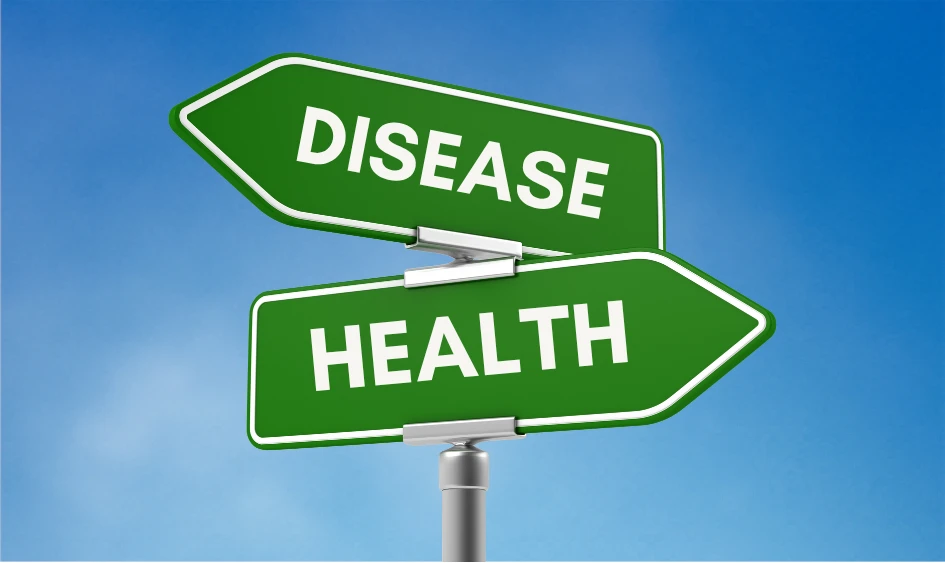
If someone asked you, “What does preventive healthcare mean to you?” how would you answer?
For many people, annual check-ups, bloodwork and medical screenings come to mind. These can be valuable tools when recommended for your age, symptoms and individual risks.
After nearly three decades of working with clients, I also like to ask: what are you doing between appointments to support your health?
That is the question behind “building health.” A screening result is one piece of the picture. My focus is on the steps we can take now to support your everyday wellbeing, including when screening has found no problem.
Health Is More Than a Test Result
Over the years, I have met people whose tests were reported as normal but who still felt unwell. They described fatigue, digestive discomfort, poor sleep or changes in energy that were affecting their lives.
A normal result does not make those experiences unimportant. It may mean the next step is a further conversation with a natural healthcare professional, rather than an assumption that nothing is wrong—or that a particular hidden imbalance must be responsible.
Wellbeing also includes the ability to enjoy daily life, recover from everyday demands and feel supported when difficulties arise.
Building Health Is an Everyday Process
Many small choices can contribute to a pattern of care:
- Making room for varied, nourishing foods.
- Creating a consistent sleep routine.
- Finding movement that suits your abilities and circumstances.
- Taking time to rest and manage stress.
- Staying connected with people who support you.
- Keeping up with appropriate medical care and preventive services.
These habits matter, but health is not simply a measure of willpower. Genetics, disability, illness, income, environment and access to care also shape what is possible. Becoming ill is not evidence that someone failed to make the right choices.
For me, building health means asking what realistic, supportive steps fit your life now.
My Approach to Building Health
One of the privileges of my career has been listening to people describe their health experiences. Two individuals may have similar symptoms, yet the circumstances behind them and the help they need can differ.
Instead of beginning with “What does everyone take for this?” I prefer to ask, “What matters in your situation?”
My approach brings together EAV readings, a detailed conversation about your health history and daily life, and consideration of customized herbal formulations. Nutrition is central to that conversation: what you eat, the nutrients those foods provide and the questions you have about nutritional support. I consider EAV readings within the framework of that practice, alongside the information you share.
My aim is to help you take an active role in improving or maintaining your wellbeing. We can start that conversation even when screening has found no problem. Recommendations are personalized to your circumstances, with attention to the evidence for the ingredients being considered and the medicines and supplements you already use.
You Are Part of Your Healthcare Team
Your goals and questions deserve to be heard. In my practice, natural wellness care takes a proactive, personalized approach: listening to your story, exploring your daily habits and working with you to identify practical steps that support your wellbeing.
These conversations should work alongside one another. A wellness appointment should never become a reason to postpone an investigation, discontinue prescribed treatment or dismiss a new symptom.
Health is supported during appointments and in the days between them. Both deserve attention.
Questions I Often Hear
What is the difference between preventive care and screening?
Screening is one part of preventive care. It looks for certain conditions or risks before symptoms develop. Preventive care also includes support for healthy everyday habits.
Can natural health care replace my family doctor?
No. I encourage clients to maintain a relationship with their family doctor and seek medical evaluation when needed. My work focuses on proactive natural wellness care, with time to explore your health history, nutrition, routines and personal goals.
What do you mean by “building health”?
I mean making realistic choices that support wellbeing over time, while recognizing that many influences on health are outside an individual’s control.
Why is a personalized approach important?
Your history, goals, medicines, preferences and circumstances affect which options are suitable for you. A recommendation should consider those factors rather than assume one approach suits everyone.
How can I learn more about Good 4 You’s approach?
Our Comprehensive Bioenergetic Assessment provides time to discuss your health history and wellness goals and includes EAV readings using an ohmmeter. Learn more about the appointment and what to expect.