
All Articles / Seasonal Wellness
Worried About Catching a Virus?
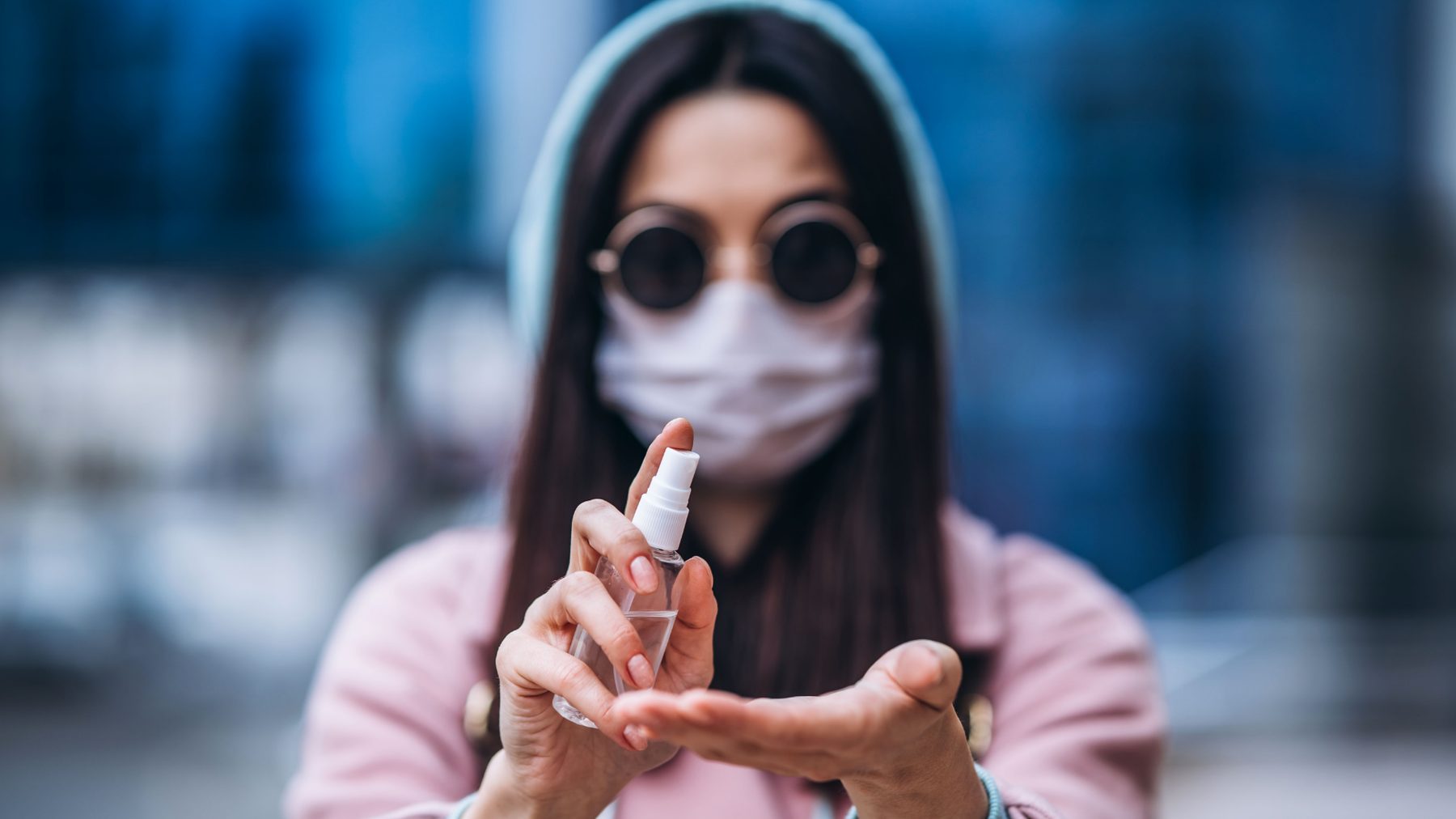
Are you worried about catching a virus? You’re not alone. COVID-19 brought that concern into many of our homes and changed the way we thought about our health.
But why wait until we feel unwell to give our bodies some attention? There are things we can do every day to support our health naturally. I believe in being proactive rather than simply reacting when illness arrives.
As a herbalist and natural wellness practitioner, I value what nature has to offer. My focus is on thoughtful herbal support and recommendations suited to the person in front of me. Let’s look at some of the options and what the research can tell us about them.
Vitamin C and Vitamin-C-Rich Botanicals
Vitamin C supports normal immune function. Taking it regularly may slightly shorten a cold or make it milder.
From a herbal perspective, camu camu and rose hips are interesting natural sources of vitamin C. Rose hips also contain plant compounds called polyphenols. The amount of vitamin C in a finished preparation depends on how it is grown, processed and stored, so the preparation matters as well as the plant.
A Closer Look at Herbal Support
Herbs have different properties, and research on one preparation does not necessarily apply to every product made from the same plant. Here are two examples worth exploring:
- Echinacea: Research suggests that echinacea may slightly reduce the chance of catching a cold.
- Olive leaf: A small study of 32 high school athletes found fewer days of respiratory illness among those taking olive leaf extract, although they were no less likely to become ill. That is an encouraging finding to explore further, rather than a result we can assume for everyone.
This is where a personalized approach matters. The herb, preparation and person all deserve consideration. You can read more about my approach in The Role of Herbal Wellness in Modern Medicine.
What About Bee Propolis?
Bee propolis is another natural substance that has attracted research interest. In a trial involving 122 adults with mild upper respiratory symptoms, a standardized propolis mouth spray helped symptoms resolve sooner than a placebo.
Propolis can cause allergic reactions. If you have an allergy to propolis or other bee products, avoid it; a history of bee-related allergies also deserves care when considering its use.
Probiotics as Immune Support
Probiotics can be a useful part of an individualized approach to immune support. Their potential benefits extend beyond digestion: a Cochrane review of clinical trials found that probiotics may reduce the likelihood of upper respiratory infections and modestly shorten their duration. Confidence in those findings ranged from low to moderate.
The strain and preparation matter. These findings support considering specific probiotics for a particular purpose, rather than assuming that every probiotic will do the same job or that everyone needs one.
Keep Your Body Moving
Regular movement is another way to care for your body. Research in people shows that muscle contractions help move lymph, the fluid carried through the lymphatic system.
A brisk walk is a familiar way to get moving. If you enjoy rebounding—gentle bouncing on a mini trampoline—and it suits your balance and abilities, it can be another way to include activity in your day.
Be Proactive About Your Wellbeing
Make room for rest, regular movement and time to unwind. Thoughtfully chosen herbs and supplements can be considered alongside those everyday habits, with attention to your individual needs.
My goal is to help you take an active role in looking after yourself, before feeling unwell becomes the reason to start. That is the approach I explore in Are You Building Health, or Simply Looking for Disease?
We don’t have to wait until we feel unwell to begin caring for ourselves.